
Linn County Criminal Court Records
A Linn County criminal court record is the court-maintained case file for a felony or misdemeanor matter. It begins when a criminal case is opened in court and continues through arraignment, plea, hearings, motions, trial, disposition, sentence, probation, restitution, and post-judgment activity. The record can include the charging instrument, docket events, orders, judgment, and later set-aside filings when eligible relief is requested.
Linn County Circuit Court is the primary Oregon trial court for felony and misdemeanor criminal files. Linn County Justice Court also has concurrent jurisdiction over misdemeanor crimes and contempts, so low-level criminal matters may be found there rather than in Circuit Court. The jail booking record, the charge table on a custody profile, and the full criminal court file are related but not the same record. For charge-level detail after booking, use the Linn County arrest records and court charges page.
Search Linn County Criminal Court Records
The official starting point is the Oregon Judicial Department free records and calendar search. It can show basic case and calendar information for Oregon circuit courts and other statewide courts. Criminal case information may also be researched through OJCIN Online, which provides paid subscription access to the official Register of Actions and judgment records, including felony and misdemeanor matters from Oregon circuit courts.
- Search the OJD free records and calendar service for basic Linn County Circuit Court criminal case information.
- Use the defendant name or exact case number, then confirm the court, case type, and date details.
- Review the docket for arraignment, plea, hearing, motion, disposition, and sentencing events.
- Use OJCIN if the official Register of Actions or judgment record is needed and subscription access is available.
- Request copies from Linn Circuit Court when a charging instrument, order, judgment, certified copy, or audio file is needed.
- Check Linn County Justice Court separately for misdemeanor or contempt cases handled through the Lebanon court.
Linn Circuit Court records requests require the case number and the requested documents or hearing dates. Court staff quote fees by phone or email before release. Paper copies, certified copies, exemplified copies, emailed copies, and hearing audio all have separate fees.
Linn County Criminal Case Flow
Criminal court records are easiest to read as a process. The case usually moves from a filed charge to an arraignment, then through pretrial events, plea or trial, disposition, and sentencing. Each stage can create docket entries and documents. A dismissed charge, acquittal, plea, conviction, probation term, restitution order, or set-aside motion may all appear as separate events.
Case flow: Charges Filed › Arraignment › Pretrial / Motions › Plea or Trial › Disposition › Sentencing
| Stage | What Happens |
|---|---|
| Charges filed | The prosecutor files or proceeds on formal charges, creating the court case record. |
| Arraignment | The defendant is advised of charges and rights, and a plea or next appearance is addressed. |
| Pretrial / motions | The record may show motions, notices, hearings, discovery-related events, and scheduling orders. |
| Plea or trial | The case resolves by plea, verdict, acquittal, dismissal, or other disposition. |
| Sentencing | The court enters sentence terms such as probation, jail, prison, fine, restitution, or other conditions. |
The Linn Circuit Court appointed attorney eligibility source connects criminal case procedure to the arraignment stage.
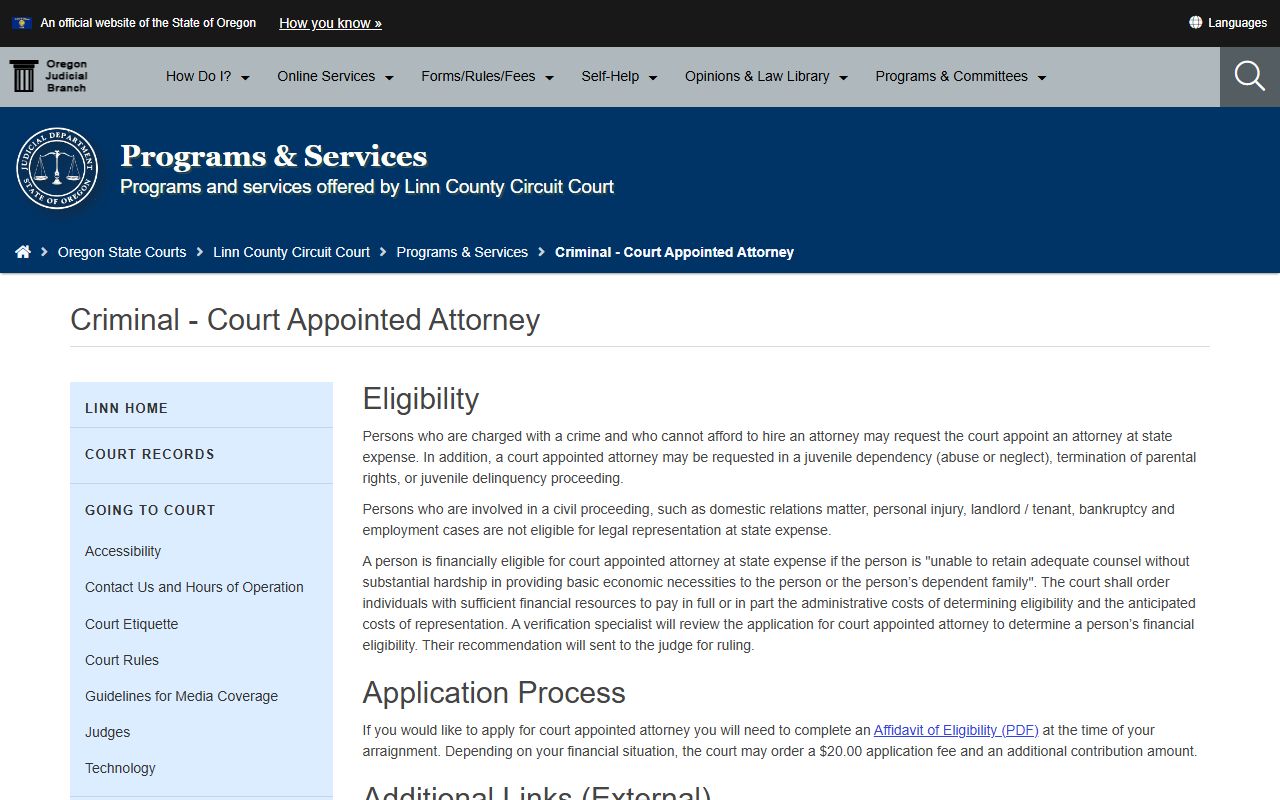
Appointed-counsel requests can appear early in the criminal process because eligibility is reviewed when a defendant cannot afford counsel.
What Linn County Criminal Records Show
A criminal court record is a field-by-field account of the court case, not just a list of charges. It can show which court handled the matter, who the defendant is, what charges were filed, which events occurred, and how each count ended. Financial fields may also appear, including fines, restitution, security, payment plans, and collections.
| Field | What It Shows |
|---|---|
| Case number | The official criminal court case identifier used for searches, copies, and docket review. |
| Court | Linn County Circuit Court, Linn County Justice Court, appellate court, or another court if transferred. |
| Defendant | The person accused in the criminal case. |
| Charges | Filed counts, charge names, amendments, reductions, dismissals, or added counts. |
| Arraignment | Initial criminal appearance events, plea entry, counsel issues, and future dates. |
| Motions and hearings | Requests to the judge, hearing dates, trial settings, notices, and rulings. |
| Disposition | Outcome for each charge, such as guilty, dismissed, acquitted, or otherwise resolved. |
| Sentence | Jail, prison, probation, fine, restitution, treatment, or other court-imposed terms. |
| Post-judgment events | Probation matters, collections, restitution activity, appeal, or set-aside filings. |
DA and Defense Records
The Linn County District Attorney is the local prosecutor's office for state criminal matters. The official DA page identifies Doug Marteeny as District Attorney and lists the office at the courthouse, 300 SW 4th Avenue, PO Box 100, Albany, OR 97321. The office phone is 541-967-3836. Prosecutor decisions affect which charges are filed, amended, reduced, dismissed, or resolved by plea.
Defendants who cannot afford counsel may request appointed counsel at state expense in criminal cases. Linn Circuit Court says the applicant completes an Affidavit of Eligibility at arraignment, and a verification specialist reviews the application for a judge. The court may order a $20 application fee and an additional contribution amount. Civil matters such as domestic relations, landlord-tenant, bankruptcy, employment, and personal injury are not covered by this criminal appointed-counsel process.
Linn County District Attorney
300 SW 4th Avenue
PO Box 100
Albany, OR 97321
541-967-3836
Monday-Friday, 8:30 a.m.-noon and 1:00 p.m.-5:00 p.m.
Charges vs Convictions
A charge is an accusation filed or pursued in court. A conviction is a court outcome after a guilty plea, no contest plea with judgment, or verdict. A Linn County criminal court record can show both, which means the reader must check the disposition for each count before treating the record as an outcome. Some charges are dismissed, reduced, amended, or end in acquittal.
| Point | Charge | Conviction |
|---|---|---|
| Meaning | A formal accusation in a court case. | A final finding or plea resulting in judgment. |
| Record stage | Appears early and may change. | Appears after plea, verdict, or judgment. |
| Risk of misread | May be dismissed, reduced, or amended. | Must still be checked for sentence, set-aside, or appeal events. |
| Where to verify | Docket, charging document, and current charge status. | Disposition, judgment, and sentencing entries. |
Set Aside Criminal Records
Oregon uses a set-aside process for eligible arrests and convictions. ORS 137.225 controls the state law. Eligibility depends on offense type, conviction class, waiting period, sentence completion, and statutory exclusions. A person usually files the motion in the court that handled the criminal case, identifies the case or arrest, and may need to serve the prosecutor.
ORS Chapter 137 ties Linn County criminal court records to Oregon sentencing and set-aside law.
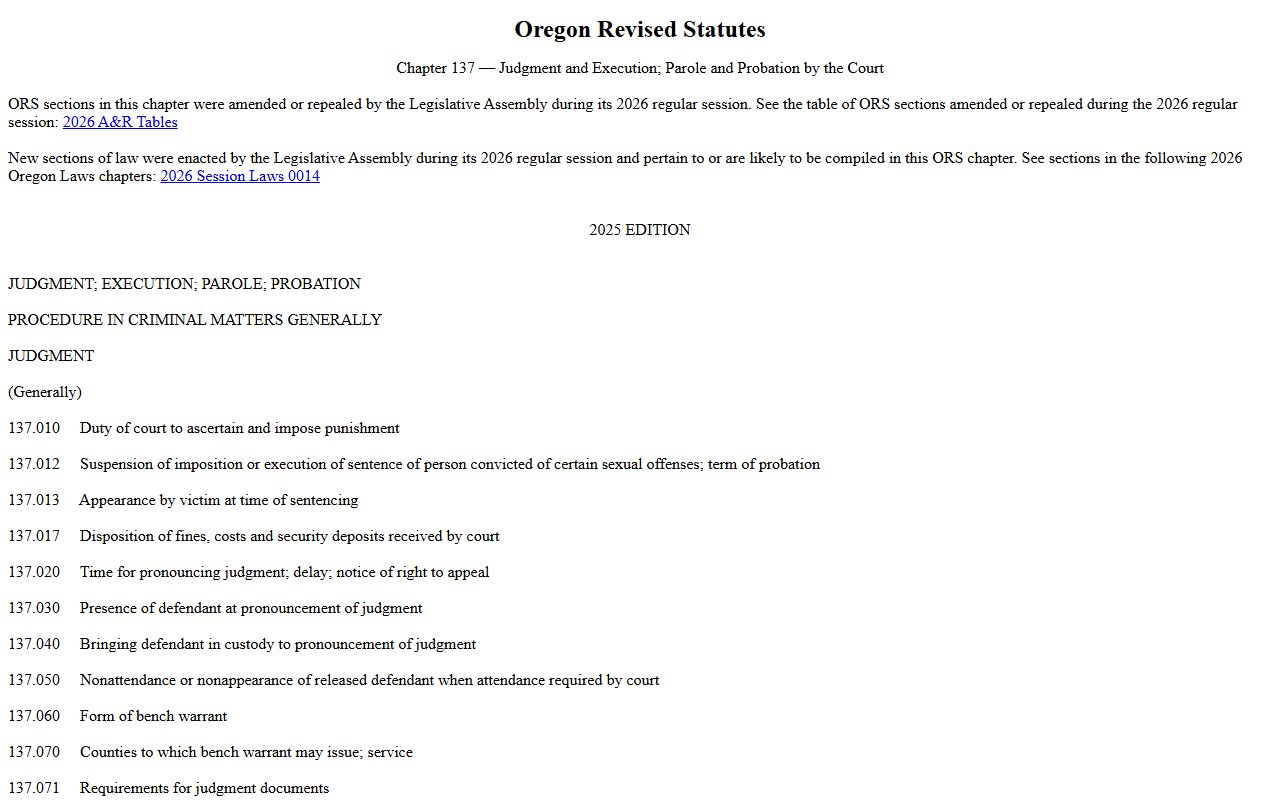
Set-aside relief changes public access after an order, but it does not mean all government knowledge of the event vanishes.
| Point | Sealed | Set Aside in Oregon |
|---|---|---|
| Public visibility | Hidden from ordinary public view by rule or order. | Restricted after the court grants eligible set-aside relief. |
| How it happens | By law, court rule, or case-specific court order. | By motion under Oregon law in the court that handled the case. |
| Common examples | Juvenile, adoption, mental health, VAWA, or protected filings. | Eligible arrests or convictions under ORS 137.225. |
| Remaining access | May remain available to authorized users. | Exceptions may remain for law enforcement, licensing, or later justice uses. |
Restricted Linn County Criminal Records
Not all criminal-related records are public. Juvenile delinquency records are restricted under ORS 419A.255, and OJD excludes juvenile case information from the free public service. Some mental health, adoption, VAWA-covered, sealed, and protected records are also unavailable through public online case search. UTCR protected personal information rules require sensitive identifiers to be segregated or redacted from public filings.
ORS Chapter 419A highlights why juvenile court records are handled differently from adult criminal files.
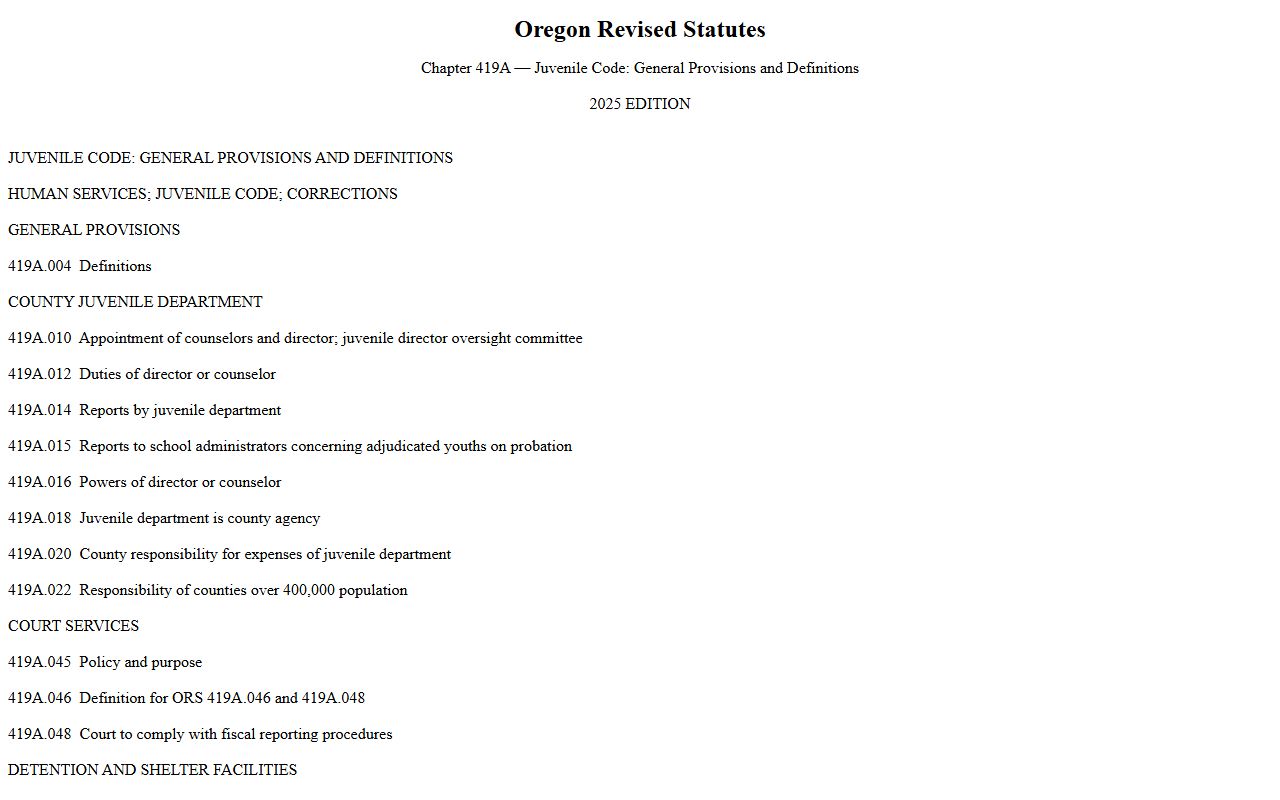
Adult criminal case searches should not be used to infer juvenile case history because those records follow separate confidentiality rules.
Custody and State Searches
A jail booking record is not the same as a criminal court record. The Linn Sheriff roster may show charge names, docket values, court, security, and status for current adults in custody, but the court record is where formal case events and outcomes are tracked. Oregon DOC Offender Search is also different. It is for sentenced state-prison offenders, and official or certified offender records require DOC public-records channels.
The Oregon DOC Offender Search source reflects a statewide offender lookup, not a Linn County court case file.
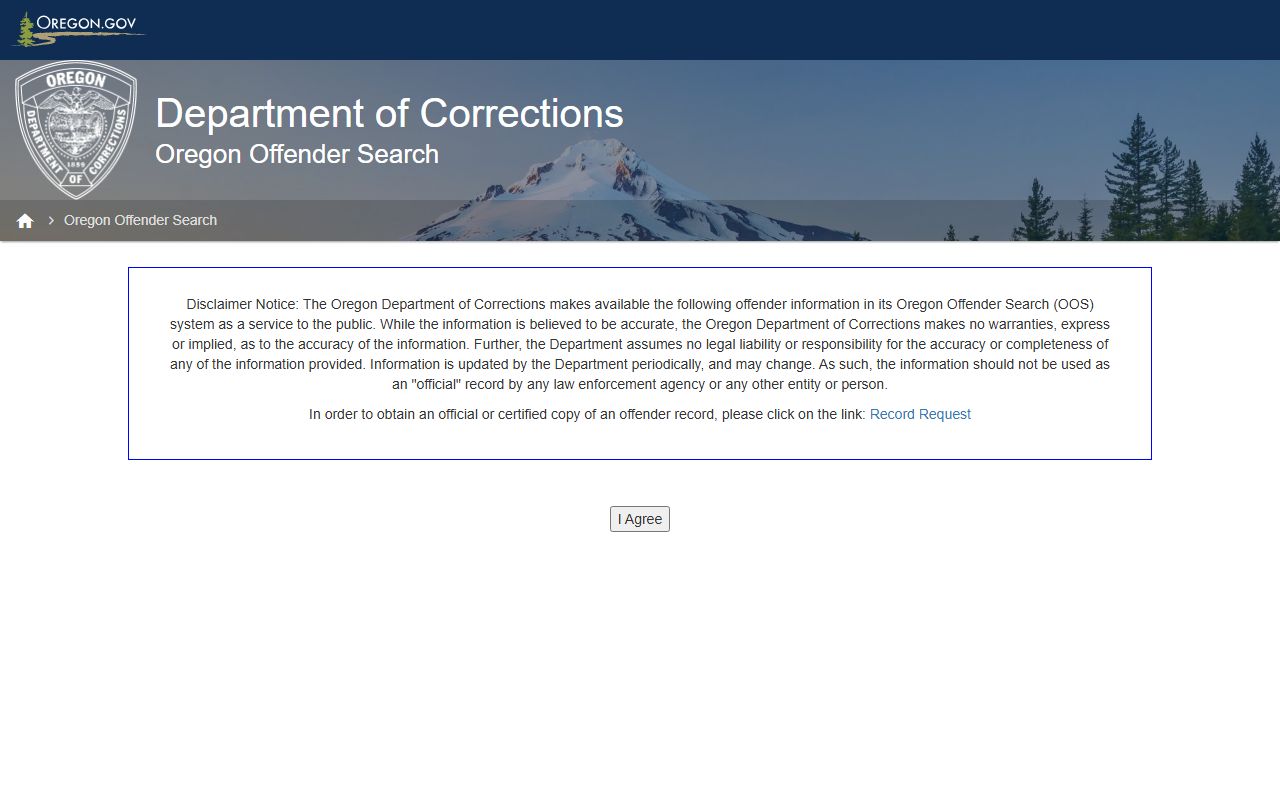
DOC search can confirm state custody status for sentenced offenders, but a Linn County conviction still traces back to the court judgment.
The official DOC offender search information page explains the public search and certified record request path.
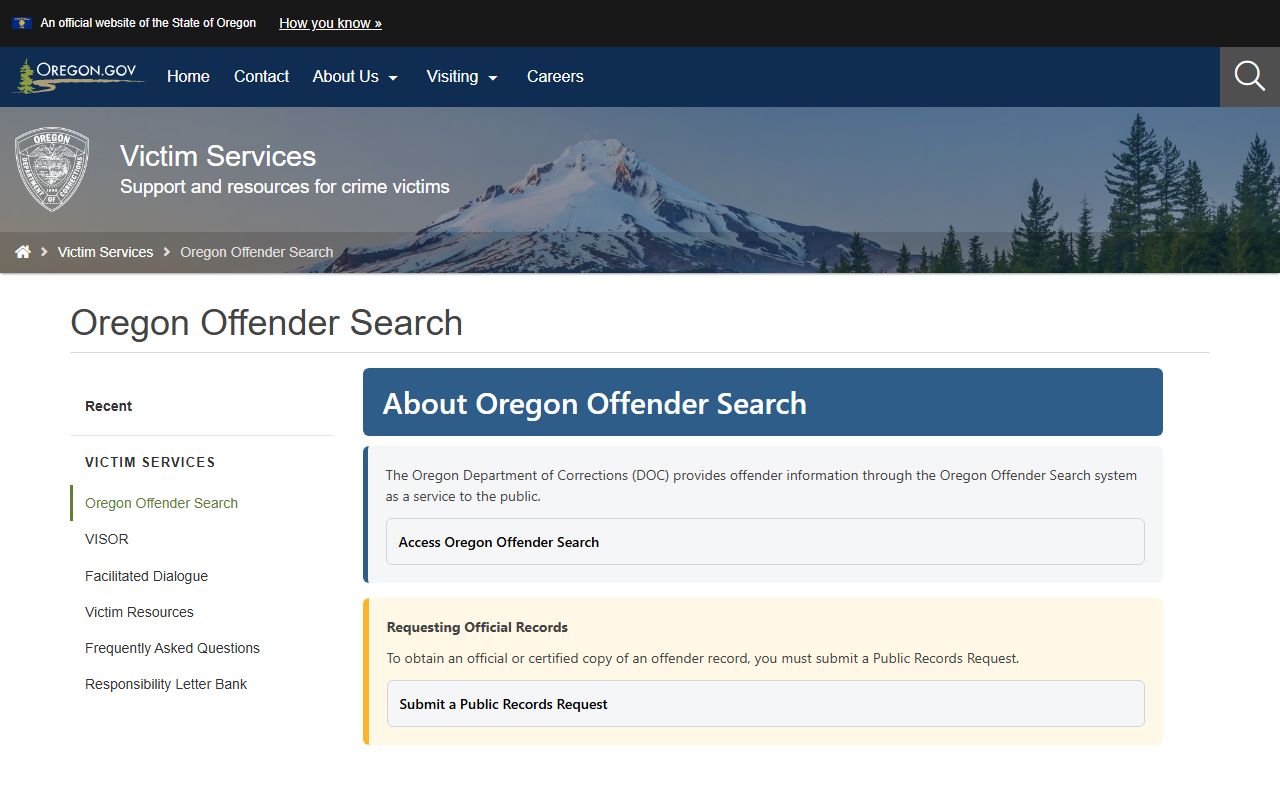
That distinction keeps criminal case research separate from post-sentence custody or corrections records.
Registry Records and Case Files
The Oregon State Police Sex Offender Registry is another separate system. It lists Level 3 sex offenders and required public registry information. Registry status is not the same thing as reading a Linn County criminal court judgment. A criminal case record may show the conviction and sentence, while the registry is an executive-branch public notice and registration system.
The Oregon sex offender registry search source is included because registry searches are often confused with criminal court record searches.
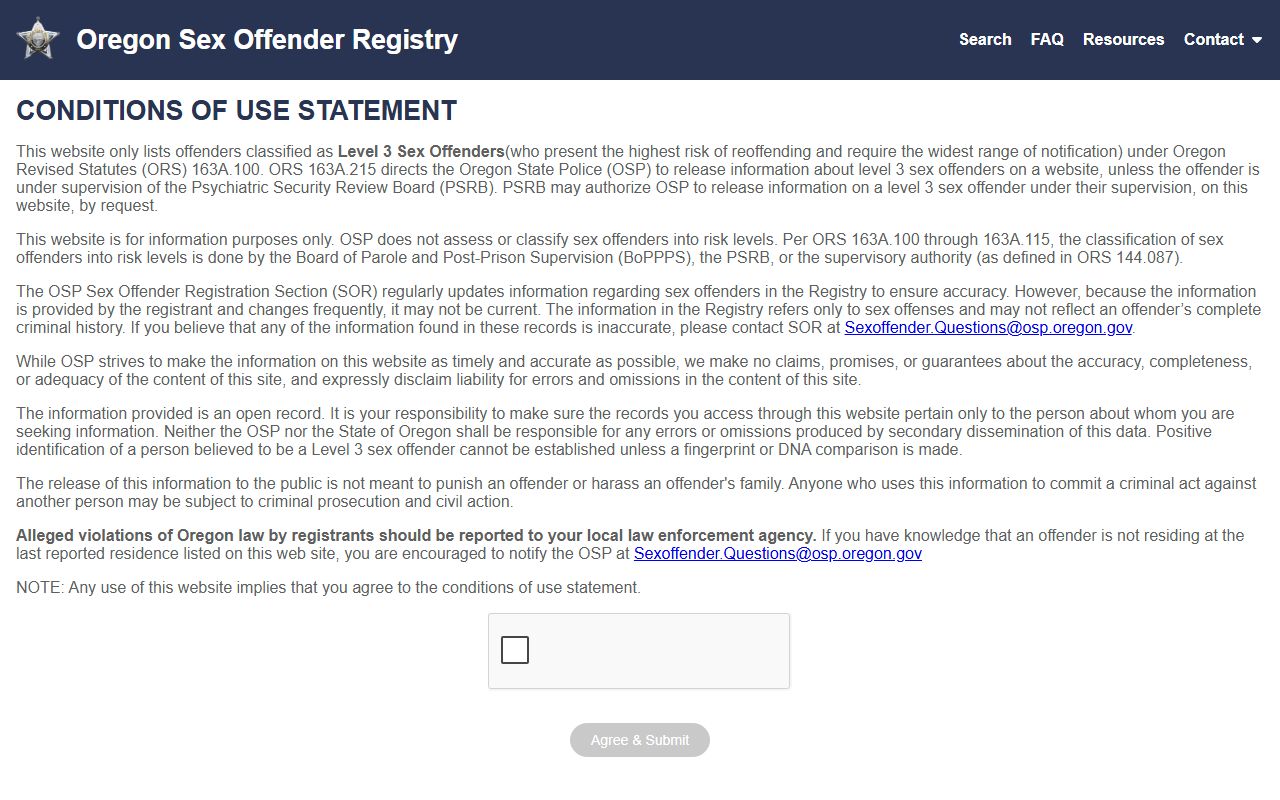
Use the registry for public registration data and the court record for the underlying Linn County criminal case history.
Note: A criminal court record can include dismissed counts, so disposition and sentence fields must be checked before drawing conclusions.